
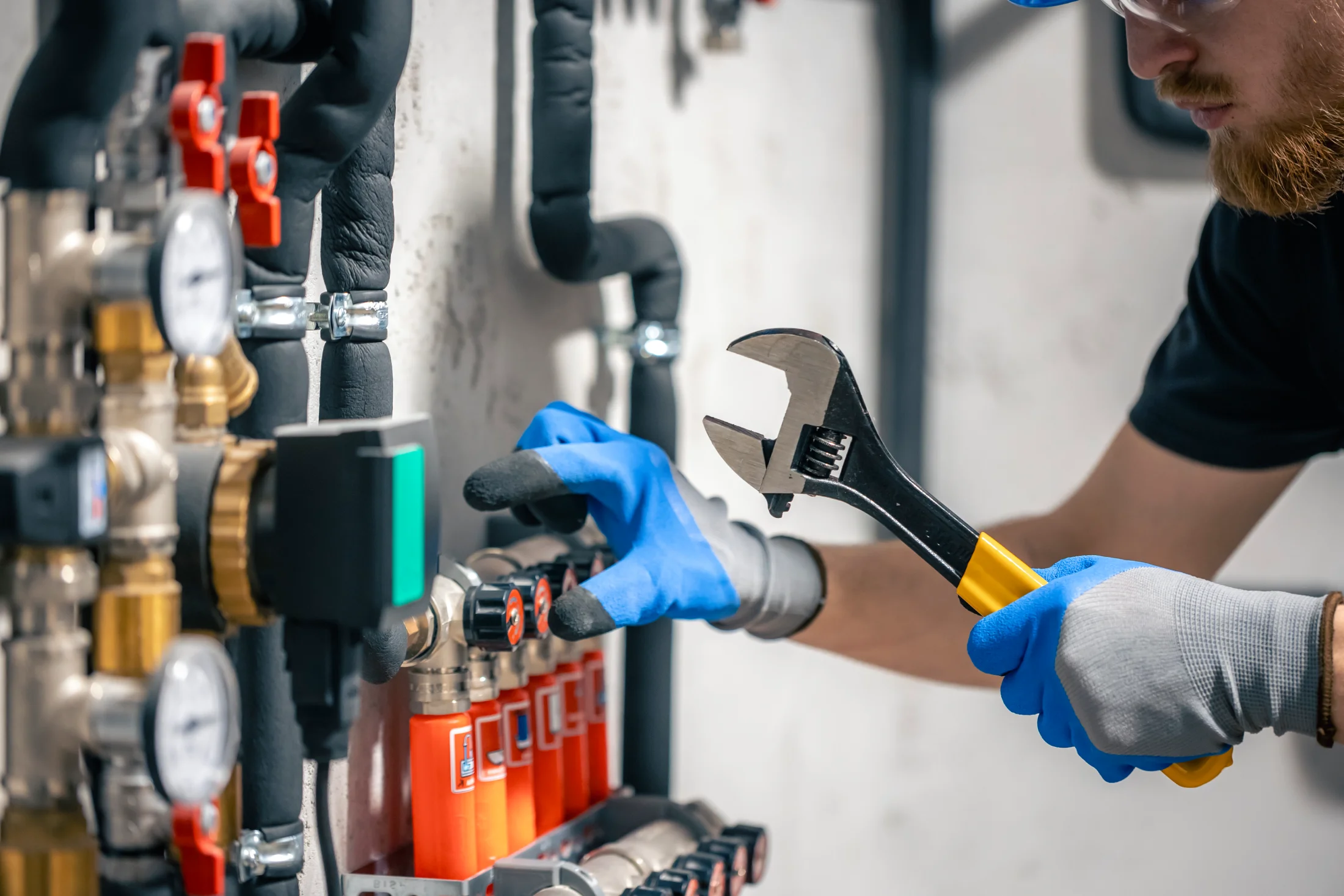
When building a new home, upgrading outdated fixtures, or planning a commercial renovation, few systems are as essential as your plumbing. Water supply, drainage, vents, shut-off valves, and fixtures all depend on a correctly designed and installed system. Poor workmanship can lead to leaks, mold, water waste, structural damage, and expensive emergency repairs later. That’s why high-quality plumbing installation is a foundational part of a safe, efficient, and long-lasting property.
This guide breaks down everything you need to know—whether you’re updating a bathroom, installing a water heater, replacing old pipes, or planning a full commercial build-out.
Why Professional Plumbing Installation Matters
DIY plumbing videos make things look easy, but real-life plumbing work is far more complex. From code requirements to pressure balancing, proper venting, pipe sizing, and load calculations, professional installation protects your home, budget, and health.
Preventing Leaks and Water Damage
A single loose connection or incorrectly sloped drain can cause mold, rot, warped flooring, and thousands of dollars in restoration costs. Licensed plumbers use proper materials, pressure testing, and inspection steps that prevent early failure.
Ensuring Safe Water Quality
Cross-connections, improper backflow prevention, and contaminated supply lines can put families and businesses at risk. Certified installers follow safety protocols to keep drinking water protected and clean.
Meeting Building Codes and Passing Inspection
Plumbing is one of the most regulated parts of home construction. Professionals ensure your installation meets all state and local plumbing codes—meaning the work will pass inspection the first time.
The Core Components of a Plumbing Installation
Every property—residential or commercial—relies on the same plumbing fundamentals. Understanding the system helps you plan upgrades with confidence.
1. Water Supply Lines
These pipes deliver fresh, pressurized water from the main line to every fixture. Materials vary based on needs:
- PEX: Flexible, affordable, resistant to freezing
- Copper: Durable and long-lasting, premium option
- CPVC: Heat-resistant and safe for hot water lines
Correct sizing ensures proper pressure across showers, sinks, dishwashers, and water heaters.
2. Drainage and Venting (DWV)
Just as important as supply lines, the DWV system removes wastewater safely and efficiently. Proper installation prevents:
- Sewer odors
- Slow drains
- Gurgling noises
- Backups from negative pressure
Correct slope and venting are essential for long-term performance.
3. Fixtures and Appliances
Professional installation includes:
- Toilets
- Showers & tubs
- Faucets and sinks
- Garbage disposals
- Dishwashers
- Refrigerators with water lines
- Water softeners & filtration systems
Each fixture has unique installation specs that require precision.
4. Water Heaters
From traditional tanks to high-efficiency tankless systems, proper installation improves:
- Energy savings
- Water temperature consistency
- Equipment lifespan
- Safety (especially for gas-powered units)
Incorrect installations can lead to carbon monoxide leaks, scalding hazards, or equipment failure.
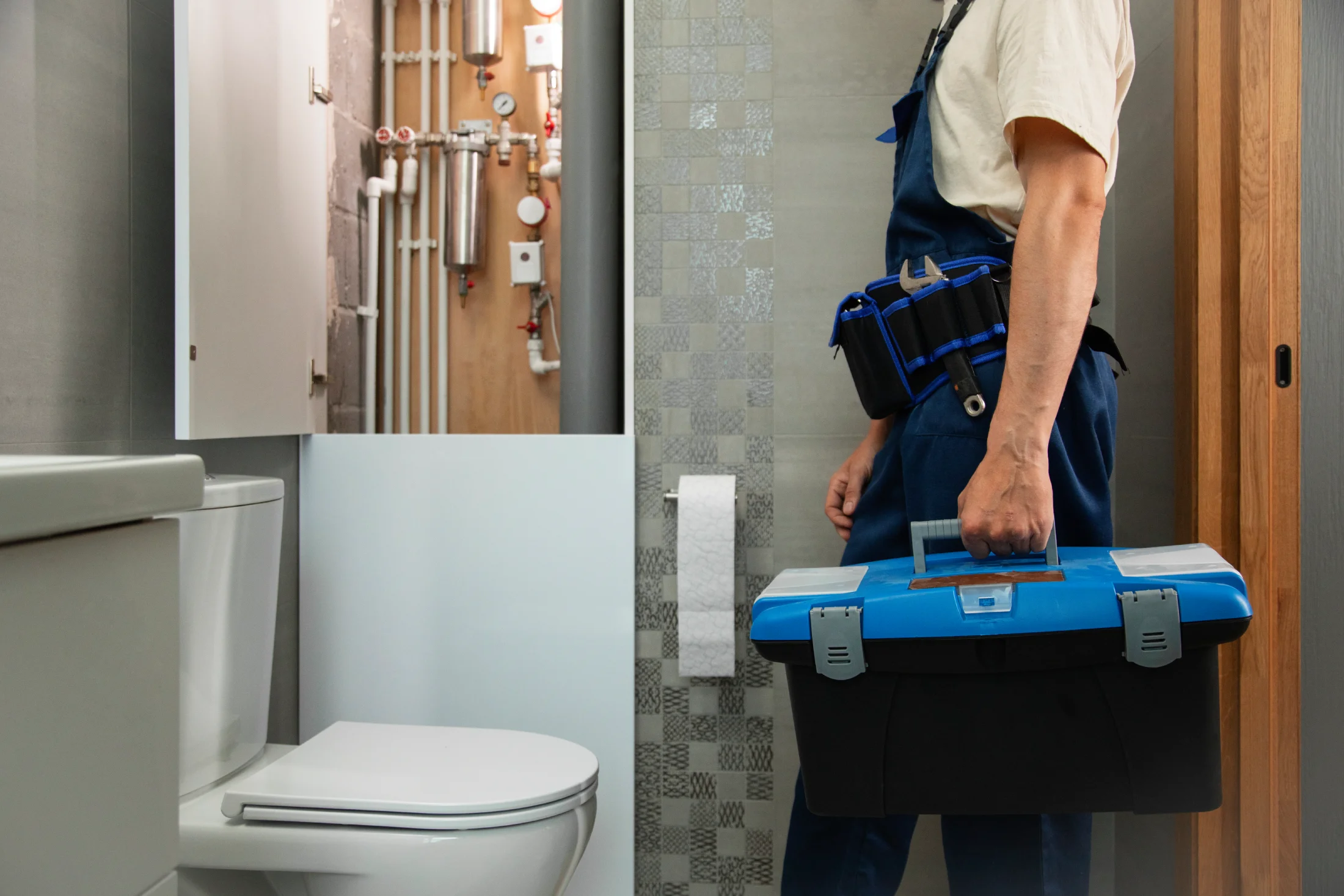
Common Projects That Require Professional Plumbing Installation
Whether you’re renovating a kitchen or expanding a business, experienced plumbing contractors ensure everything is done right.
Home Renovations & Additions
- Bathroom remodels
- Kitchen upgrades
- Laundry room relocations
- Basement finishing
- Outdoor spigots & irrigation tie-ins
Installing pipes behind walls or under slabs requires expertise and careful planning.
New Construction Plumbing
Plumbers map the entire water and drainage system before framing begins. This includes:
- Rough-in plumbing
- Drain placement
- Vent routing
- Final trim installation
Done correctly, the plumbing remains reliable for decades.
Commercial Plumbing
Plumbing in commercial environments often requires:
- Larger supply and drainage systems
- Grease interceptors for restaurants
- Backflow prevention
- Heavy-duty water heaters
- ADA-compliant fixtures
Professional installation protects health, safety, and compliance for tenants and customers.
The Plumbing Installation Process (Step-by-Step)
To understand what to expect, here’s how most projects unfold:
Step 1 — Inspection & Planning
The plumber assesses:
- Water pressure needs
- Pipe layout
- Fixture count
- Required permits
- Venting and drainage routes
Proper planning prevents expensive change orders later.
Step 2 — Rough-In Installation
Behind the walls and under floors, plumbers install:
- Supply lines
- Main drains
- Vent pipes
- Shut-off valves
The rough-in must pass inspection before walls are closed.
Step 3 — Fixture & Appliance Installation
After drywall and floors are complete, fixtures are installed and connected.
Step 4 — Testing & Inspection
Professionals test for:
- Leaks
- Proper drainage flow
- Vent performance
- Fixture stability
- Water pressure balance
Once passed, the system is certified as safe and operational.
Materials Matter — Choose Quality Components
High-quality materials improve performance and lifespan. A professional plumber helps select:
- NSF-certified PEX/Copper
- Lead-free brass fittings
- High-efficiency faucets
- Commercial-grade drains
- Durable shut-off valves
- Premium wax rings & seals
Cutting corners on materials often leads to repeat repairs.
Drainage, Venting & Pressure — The Hidden Systems That Must Be Perfect
Even though you never see them, these systems determine whether your plumbing performs well.
Drainage
Improper slope = clogs & odors
Proper slope = smooth flow and quiet performance
Venting
No venting = gurgling, sewer smell, slow drainage
Proper venting = balanced airflow and clean drainage
Pressure Regulation
High pressure damages pipes; low pressure irritates users.
A regulator ensures perfect, consistent flow.
How Long Does a Plumbing Installation Take?
Timelines vary, but typical projects include:
- Fixture replacement: 1–3 hours
- Rough-in for remodel: 1–3 days
- Whole-home repipe: 2–5 days
- New construction plumbing: 1–3 weeks (across phases)
Commercial projects depend on size, compliance needs, and equipment.
Why Hire a Licensed Contractor for Plumbing Installation?
Professional plumbers ensure:
- Code compliance
- Warranty protection
- Safety
- Proper pressure and drainage
- Durable results
- Accurate inspection documentation
Trying to DIY plumbing can cost far more in the long run.
Call to Action
Ready to upgrade or install new plumbing the right way?
Contact Cummins Plumbing Contractor today for expert installation, code-compliant work, and long-lasting performance you can trust.
ChatGPT can make mistakes. Check important info.
